

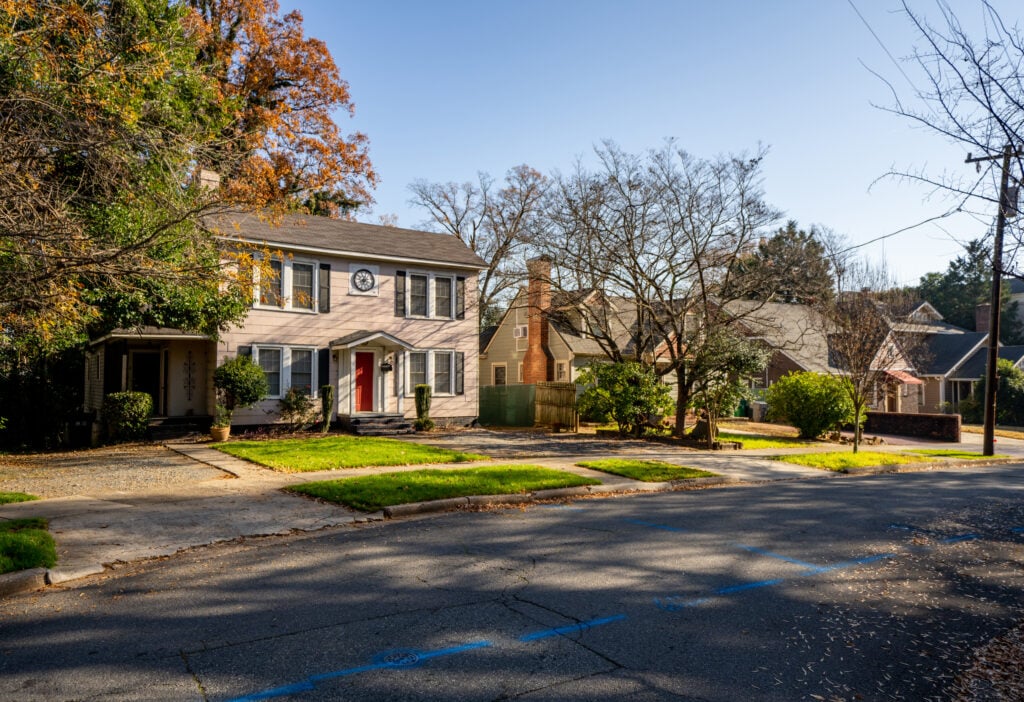

Proudly owning a house has lengthy been touted as a strategy to construct wealth, however does it really repay? Child boomers are relying on it. Many have lived of their houses for many years and now count on six-figure earnings after they promote, in response to a new survey by Intelligent Gives.
Staying of their houses for thus lengthy means boomers can reap the benefits of residence values which have risen dramatically during the last 20 years. Nonetheless, that is exactly why they are typically blamed for the affordability disaster youthful consumers are going through.
“For each residence they don’t promote, that’s one much less alternative for younger consumers, who’re already going through a nationwide scarcity of over 4 million houses,” mentioned Alexei Morgado, a Florida realtor and CEO and founding father of Lexawise. “This additionally creates a delay in residential mobility and leaves millennials and Gen Z caught renting at excessive costs.”
For his or her half, boomers are having none of it — 76% say they’re bored with being blamed for the housing disaster. Specialists say it’s extra difficult than holding one era extra accountable than one other. Stagnant wages, rising development prices, zoning restrictions, and the COVID-19 pandemic are among the many extra doubtless culprits.
Boomers Anticipate Their Dwelling Investments to Pay Off Huge Time
Per the survey, in the event that they offered their houses right now, 68% of boomers would count on to make $100,000 or extra in revenue. About 11% suppose they’d clear $500,000 or extra. Relying on the place they stay, they might be proper.
“Even a development price of 10% would add $100,000 in fairness in simply two years on the typical sale worth in our area,” mentioned John Donlon, cofounder and president of GoldCoast Mortgage Services Inc. in Massachusetts. “It’s been considerably greater than that for a number of years.”
This can be a substantial return on their funding, as 68% of older owners say they paid lower than $100,000 for his or her first residence. Practically all of these surveyed (98%) paid lower than $400,000, effectively beneath the median sale price of $512,800 within the second quarter of 2025. About 36% of householders spent lower than $50,000 for his or her homes.
Typically, residence values have been rising steadily for the reason that Sixties, when the oldest child boomers would have purchased their first houses. Whereas sale costs dipped barely within the second quarter of 2020 amid the pandemic, they surged in restoration.
“The pandemic gifted 15 years of fairness appreciation in solely two years,” Donlon mentioned.
Within the fall of 2020, the median residence sale worth was $371,100; simply two years later, it was $525,100 — a 41% enhance. Householders in high-demand areas might see seven-figure payouts, even when they sell their homes as-is. This backs up the 62% of boomers who say they’ve gained extra wealth from their houses than from their careers.
“A majority of oldsters I’ve labored with or am presently working with purchased their houses 20, 30, even 50-plus years in the past, paying anyplace from $50,000 to $90,000 to some hundred thousand,” mentioned Joe Luciano, a Boston-area realtor who helps owners downsize. “They’re now taking a look at promoting for over $1 million usually.”
As Boomer Wealth Grows, Affordability Grows Out of Attain
Solely about 15% of older People imagine their era is contributing to the inexpensive housing disaster by holding onto their houses. In truth, 32% say millennials are in charge.
Whereas pointing fingers is pure, consultants name it lazy. In fact, zoning legal guidelines and a “not in my yard” (NIMBY) mindset have restricted new development, together with many years of underbuilding and rising labor and materials prices.
“The scapegoating of boomers is a diversion from the systemic elements that governments have enabled to play out,” mentioned Paul Ferrara, a Senior Wealth Counsellor at Avenue Investment Management in Toronto.
On the coronary heart of the blame sport could possibly be how wildly totally different right now’s housing market is from the one boomers purchased into. In 1964, when the oldest boomers turned 18, the median residence sale worth was $18,500. It was $30,200 in 1973 and $66,400 in 1982, when the youngest boomers turned 18.
These costs have been about two to 3 instances greater than the median family revenue, placing houses inside attain for many working households. In 2023, residence costs have been 5.3 times greater than incomes. Put one other approach, between 1985 and 2023, the price of homes offered grew 408%, whereas family incomes elevated 241%.
“The figures give a chilling account,” mentioned Nick Heimlich, a California attorney. “A down cost of 20% was frequent and attainable at the moment. At this level, consumers are straining to seek out even 3–5% down as they compete with money transactions by buyers.”
Broad Assist for Insurance policies That Make Issues More durable for Youthful Consumers
Regardless of not wanting the blame for right now’s housing disaster, most boomers surveyed assist insurance policies that may make homeownership harder for youthful generations. As an illustration, 59% would vote for a politician who prioritizes defending home values — even when it meant fewer individuals might afford houses.
Equally, 67% of senior owners imagine they need to be exempt from paying property taxes. This places a burden on youthful households who’re already struggling to make funds on scholar debt and rising rents.
What’s extra, 51% of boomer owners say the federal government shouldn’t assist younger owners as a result of it didn’t assist them. Twelve p.c don’t care if staying of their houses prevents younger people from entering the housing market.
“In apply, this resolution to not promote impacts affordability greater than some other issue contributing to the short-term affordability concern,” Morgado mentioned.
Not all boomer views on homeownership insurance policies are detrimental, although. Of all these surveyed (owners and non-owners), 65% suppose the federal government ought to do extra to assist first-time consumers.
If Boomers Keep Locked In, What Occurs to the Housing Market?
Solely 10% of boomers plan to promote their houses within the subsequent 5 years, whereas 61% say they’ll stay of their homes for the remainder of their lives. That’s dangerous information for youthful consumers ready for the silver tsunami of actual property.
As older People sit on their houses, the median age of first-time homebuyers is creeping up. In accordance with the National Association of Realtors (NAR), first-time consumers are actually 38 years previous — an all-time excessive. Within the early Nineteen Eighties, when the youngest boomers have been turning 18, the everyday first-time purchaser was of their late 20s.
Specialists say ageing first-time consumers isn’t the one change we’ll see within the housing market. Boomers personal 28% of the country’s large homes, preserving family-size housing locked up. A number of generations dwelling in a house will doubtless turn out to be extra frequent, as will passing properties right down to heirs.
“The chance is that possession turns hereditary, not primarily based on advantage, however on inheritance,” Ferrara mentioned.
After all, simply because most older owners by no means plan to promote doesn’t imply they received’t. For a lot of, it’s going to come down to 2 issues: whether or not they can afford home maintenance and repairs, and the way effectively their well being holds up.
One thing as frequent as a roof substitute can eat up a set retirement revenue, as can renovations to make sure accessibility with age. In the end, the proprietor’s mobility tends to be the deciding issue on whether or not they keep or transfer.
“As soon as stairs turn out to be a difficulty, then that’s after they’ll usually name me,” Luciano mentioned.
Source link






![[Bombshell News] Consultants say we’re DANGEROUSLY near a recession 🚨](https://i.ytimg.com/vi/DvnKvkjdsMc/maxresdefault.jpg "[Bombshell News] Consultants say we’re DANGEROUSLY near a recession 🚨")


